Data Reliability
Of course, you are wondering if the data on the site are reliable, and fortunately you are asking this question! As you can imagine it is always complicated to have field data, but we still have some information to evaluate our method. Let's use press articles as a reference: they are dated and localized.
Methodology
I compare press articles to Meduseo data at the announced date for the given city. Meduseo data are rated from 0 to 100, 0 representing an absence of jellyfish, and 100 a very high presence. Here is a summary of the thresholds:
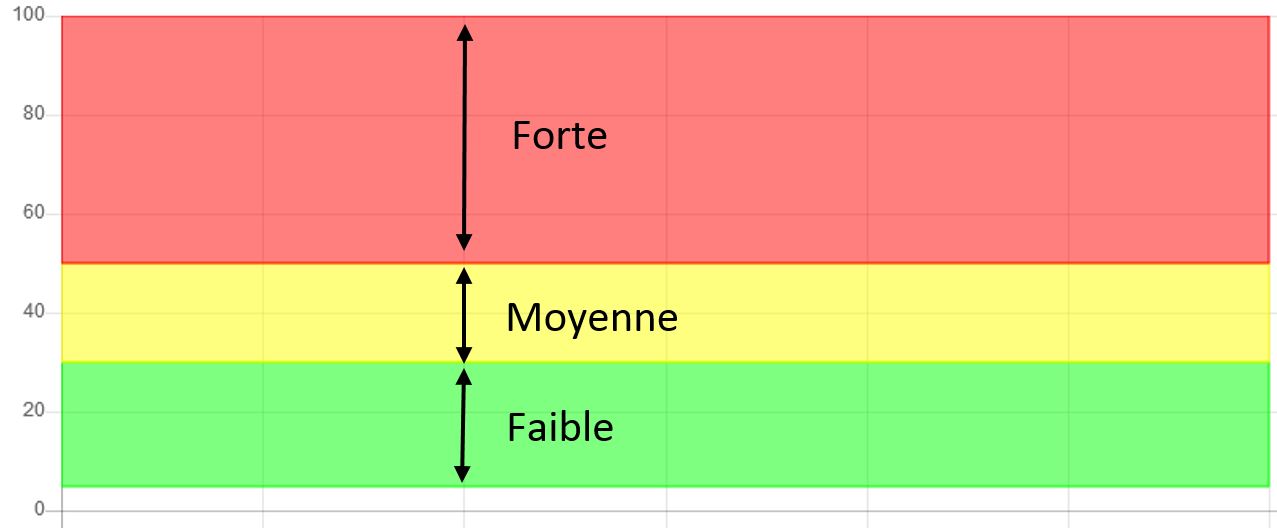
Thresholds defining the presence of jellyfish on beaches. © Meduseo
Jellyfish levels on the coast:
- 0 - 4 No jellyfish
- 5 - 29 Very weak presence (rare, mostly unnoticed)
- 30 - 49 Presence of jellyfish (swimming is possible, but you will see them)
- 50 - 100 Very large number of jellyfish (Red zone)
I consider that when a newspaper talks about it, the concentration is high (Red zone).
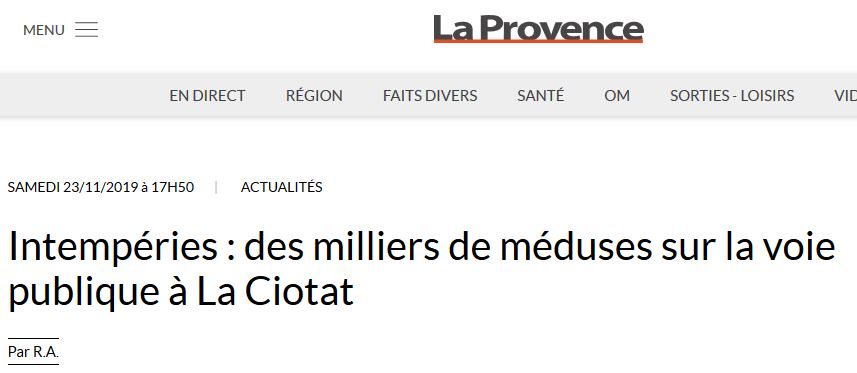
La Provence - Nov 23, 2019
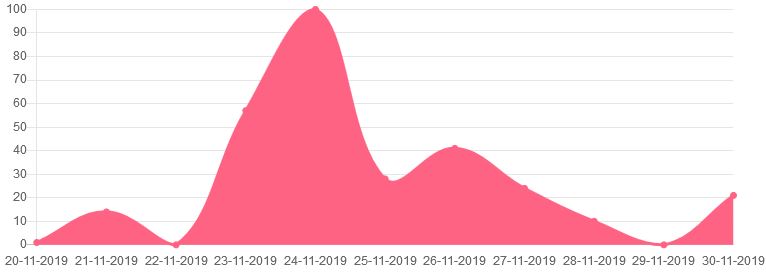
La Provence writes an article reporting the presence of thousands of jellyfish on the coast of La Ciotat. Meduseo also reports on this date a strong presence (score 57), peaking the next day at 100.
Le Parisien - Mar 25, 2020 (Lockdown)
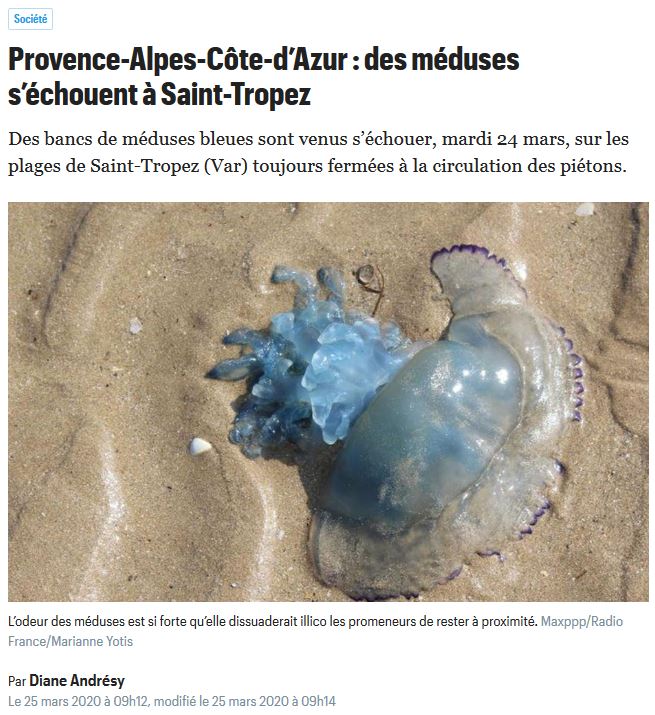
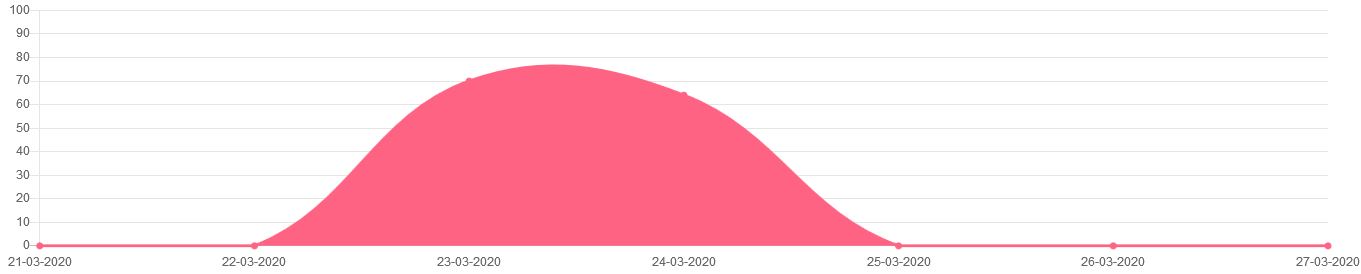
Does it work outside the summer season? During the COVID lockdown, Le Parisien reports jellyfish in Saint-Tropez on March 24, 2020.
User Reports vs Meduseo Model
The wave of pelagic jellyfish observed in August 2023 allowed us to illustrate the data received only via user reports compared to the Meduseo model data based on the last 24 hours.
Test it for yourself!
We can't be right every time, the best is to make your own idea. You have the data, nothing prevents you from checking it yourself and we encourage you to do so!